Septic System Repair
Slow drains, wet spots over the field, odors and backups, fixed by restoring the drain field inside the tank you already own instead of replacing it.
Learn More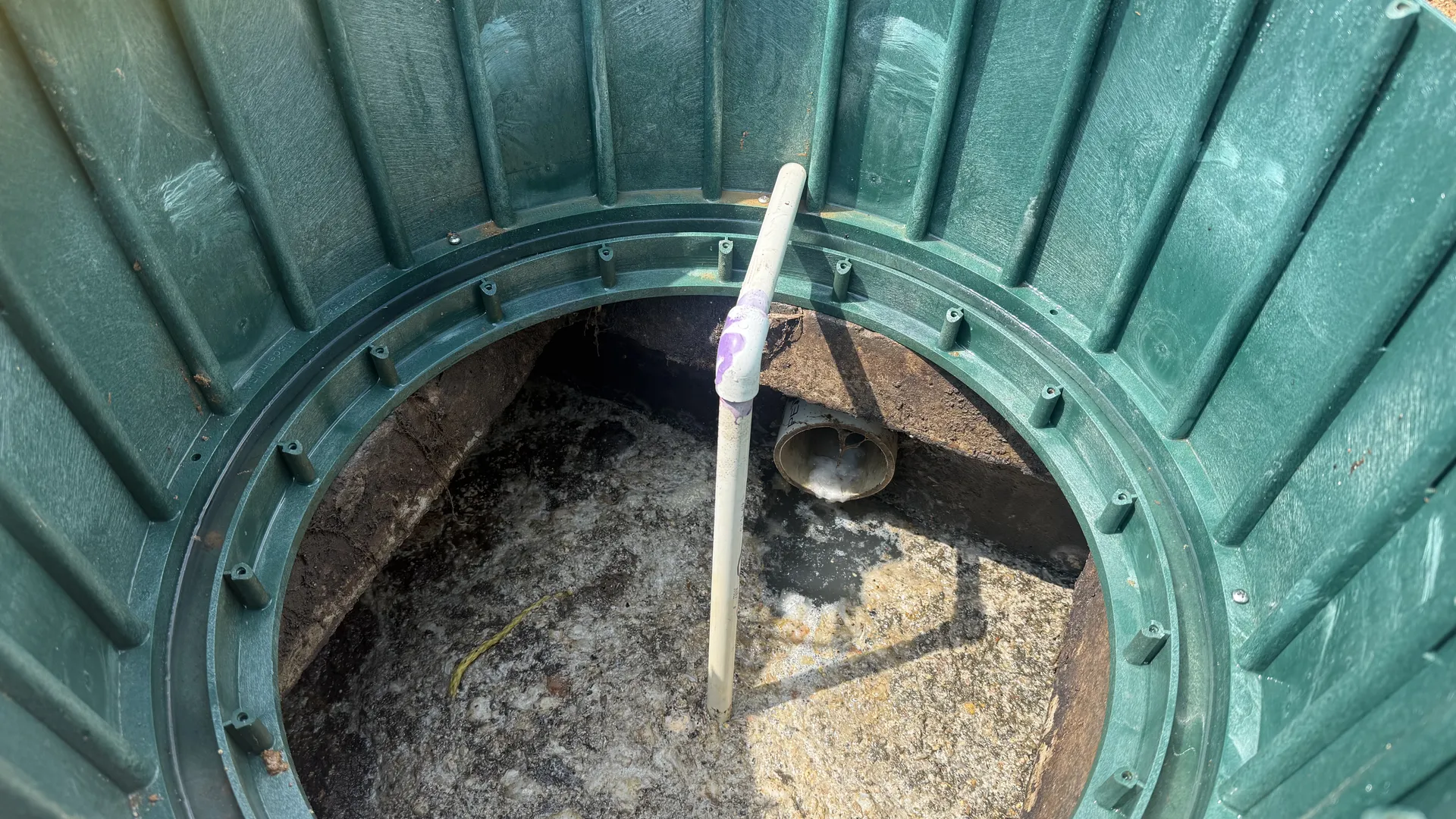
Most of Charlotte runs on public sewer. Septic is still common on the county's outer edges, and the county says so plainly. Its septic guidance notes that municipal sewer is not available to many areas of Mecklenburg County. On those lots, a slow tub or a soft wet spot over the field is the first warning.
Everclear is based in Statesville and drives down I-77 for septic system repair in Charlotte, about 40 miles. Work here starts with a free on-site evaluation, where we look inside the tank and check the field. Most of the time we can restore the drain field instead of replacing it. Call or text (336) 624-7314 to set up a look at your system.
Tell us about the job. We will get right back to you.
Public sewer covers the built-up middle of Charlotte, and Charlotte Water runs those lines. Septic country starts where the lines stop, out on the county's ring. On the northwest side that means the roads toward Mountain Island Lake. Mount Holly-Huntersville Road runs through Shuffletown, and Coulwood, Paw Creek and Oakdale sit nearby.
The north end of the county is the other pocket. Beatties Ford Road runs from the city up past Hopewell toward Huntersville and Cornelius. Lots get bigger the further north you go, and sewer service thins out with them. North Charlotte holds more of the same around Croft, Hucks Road, Derita, Mallard Creek and Newell.
Charlotte annexed many of these communities, and a city address does not always mean a sewer hookup. Steele Creek repeats the pattern on the southwest side, out toward Lake Wylie. When a field there fails, the usual quote is a new field trenched across the lot. Our work goes inside the tank instead, and most installs are finished in a day.
Charlotte sits in the Piedmont, where red clay subsoil is the rule. The common soil here is the Cecil series, North Carolina's state soil, with a red clay layer under the topsoil. Mecklenburg County's septic guidance goes further and warns about expansive clay on some lots. The county says those soil particles swell when wet, which slows water movement through the soil.
The same guidance flags soil wetness, marked by gray mottles in a soil boring. Ground like that stays saturated for long stretches of the year. A drain field sitting in soil that is already wet has nowhere to send the effluent. Add a wet spring and the field can push water to the surface.
Clay is also why the biomat matters so much here. Biomat is the black slimy layer of organic build-up that forms in the soil around the drain lines. In sandy ground a field has spare capacity to lose. In tight Piedmont clay it has very little, so the field closes off sooner.
The septic pockets around Charlotte were built in waves. Coulwood came together around 1953, and the northwest side kept filling in for decades after. Tanks from those years were set below grade and covered over with grass. Nobody planned on getting back into them twice a year.
That leaves two gaps we close on most older systems here. The first is access. A riser brings the tank lid up to ground level, so a service visit does not start with a shovel. Riser lids also take the place of cracked or buried ones.
The second is filtration. Most older tanks here were built without an effluent filter on the outlet. That filter catches hair, lint and undigested solids before they reach the drain field. Without one, the field takes everything the tank sends it.
Mountain Island Lake sits on the northwest edge of the county. It is a Duke Energy reservoir on the Catawba River, built in the 1920s. NC DEQ says it provides drinking water to more than half a million people. Lake Norman sits above it behind Cowans Ford Dam, and Lake Wylie sits below.
Septic homes on that side of the county drain into the same ground. The EPA says a failing septic system can release pathogens and nutrients into groundwater and surface water. Nitrogen and phosphorus feed algae in lakes. Fixing a field before it reaches the surface keeps that load out of the water.
Septic permits and complaints in the county go through Mecklenburg County Public Health. Its Environmental Health group, Groundwater and Wastewater Services, permits and inspects septic systems and private wells. North Carolina rules still call for pumping when scum and sludge together pass one third of the tank's liquid depth. Everclear does not pump, so we refer that out when a tank needs it.
Communities and areas we serve around Charlotte: Paw Creek, Coulwood, Shuffletown, Oakdale, Mountain Island Lake, Beatties Ford Road, Mount Holly-Huntersville Road, Derita, Croft, Mallard Creek, Newell, Steele Creek.
Charlotte ZIP codes served: 28213, 28214, 28215, 28216, 28227, 28262, 28269, 28278.
Free estimates throughout Mecklenburg County and the surrounding area.
(336) 624-7314 Slow drains, wet spots over the field, odors and backups, fixed by restoring the drain field inside the tank you already own instead of replacing it.
Learn More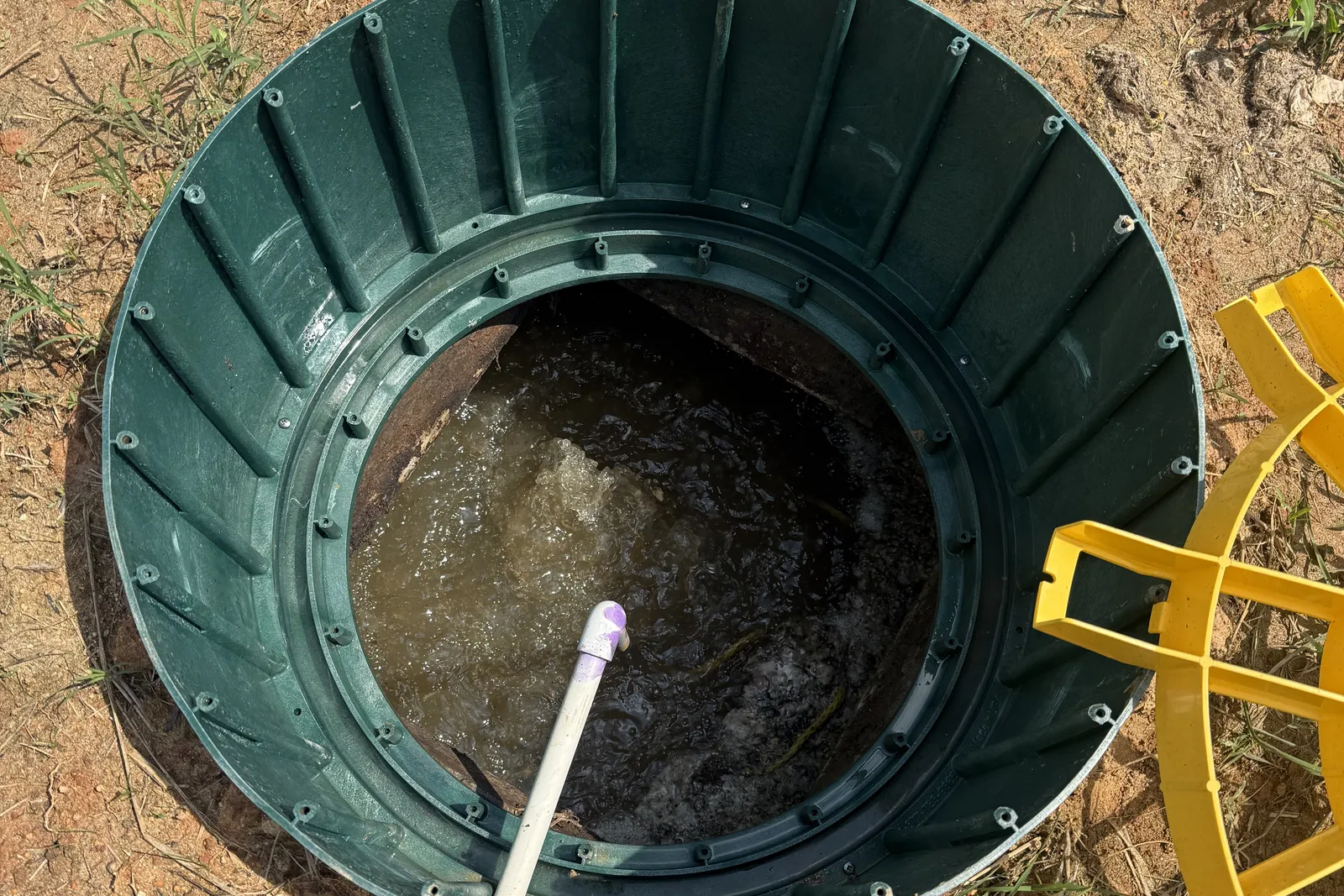
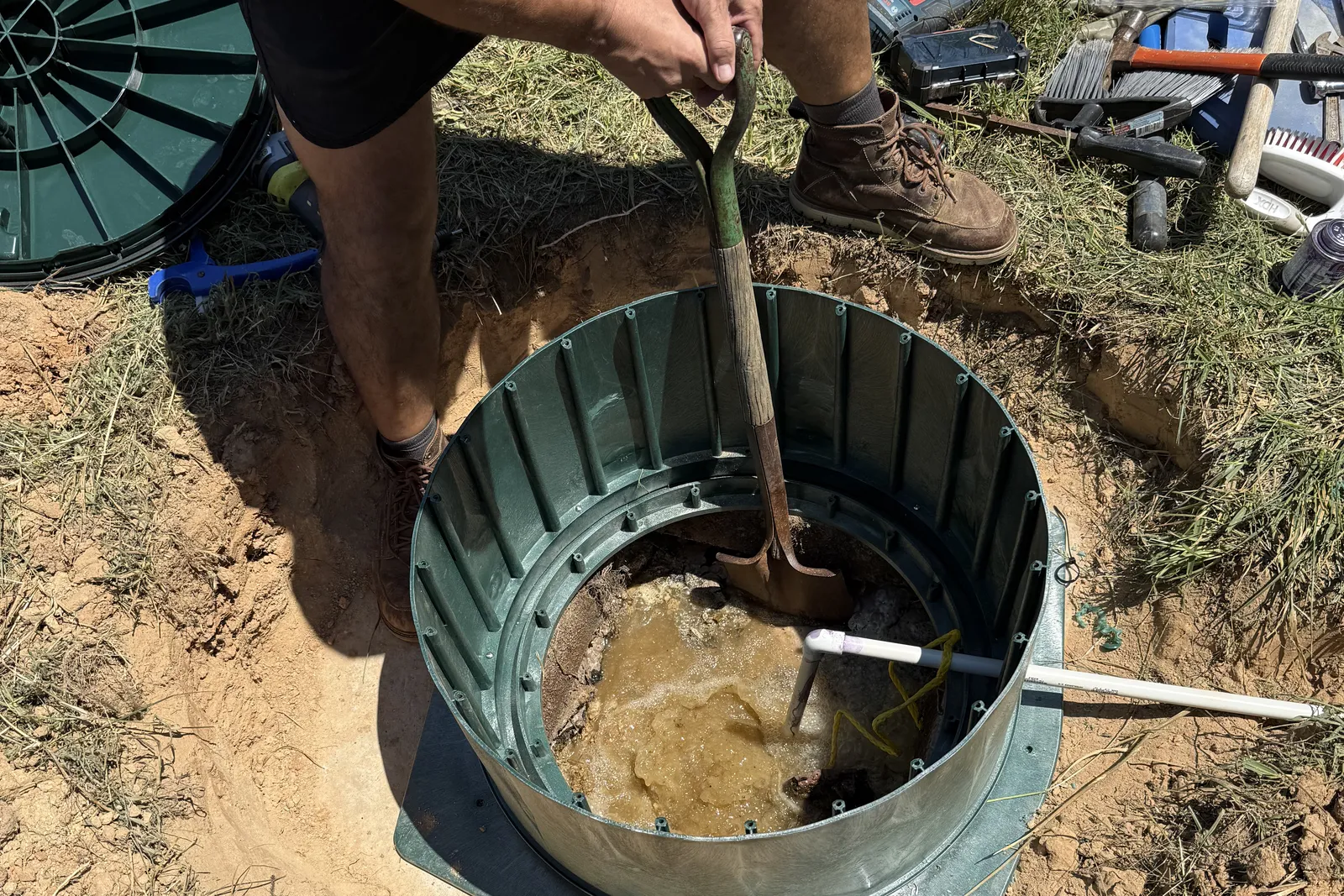
Everclear restores failing septic drain fields biologically, with a unit that goes inside the tank you already own. The field stays in the ground and most installs are finished in a day.
Learn More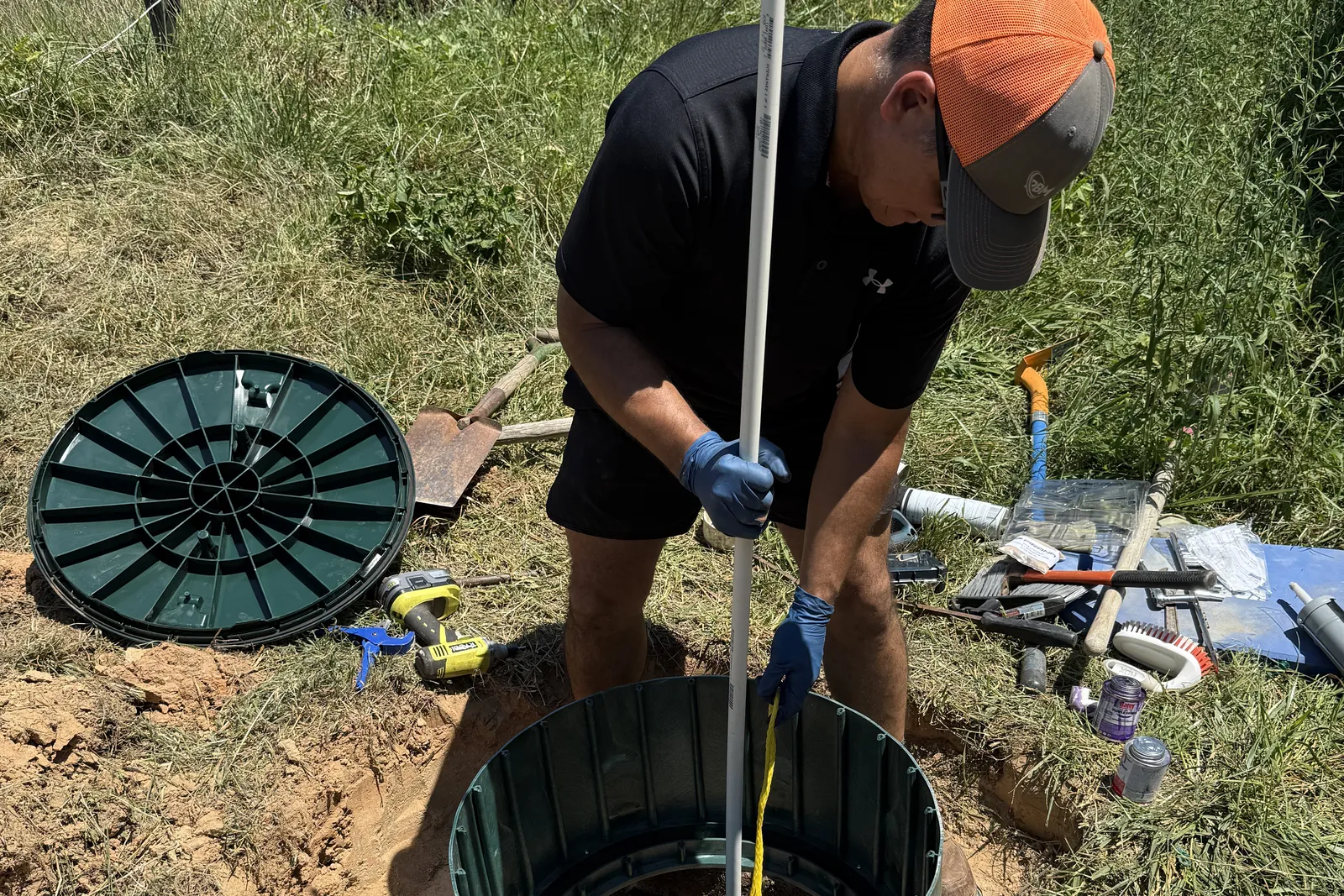
A compact aeration and bacteria unit installs inside your existing septic tank. Air plus living bacteria digest the solids that would otherwise clog your drain field.
Learn More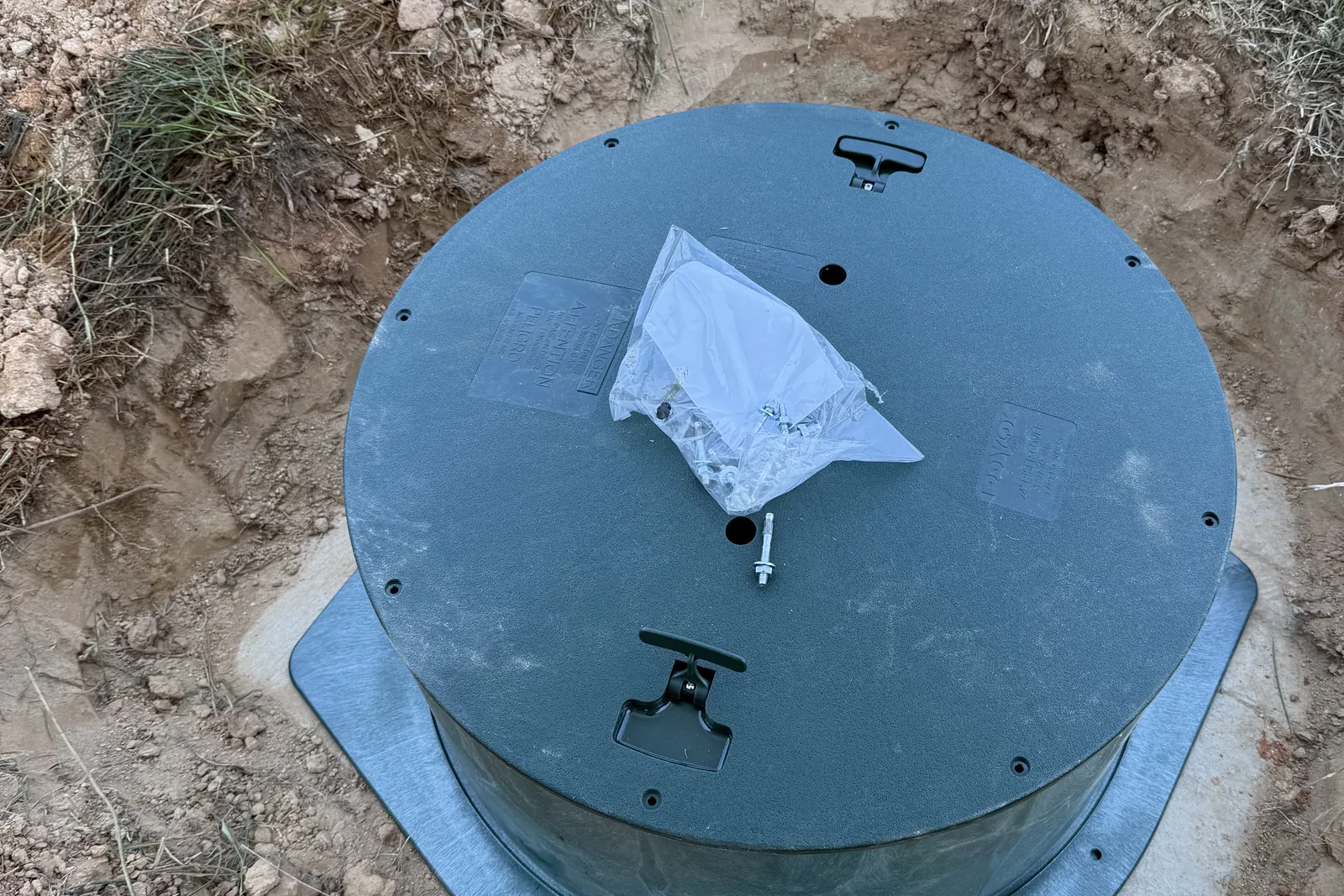
We install septic tank risers that bring the tank access up to ground level. Cracked or buried lids get replaced with a riser lid that fastens down.
Learn More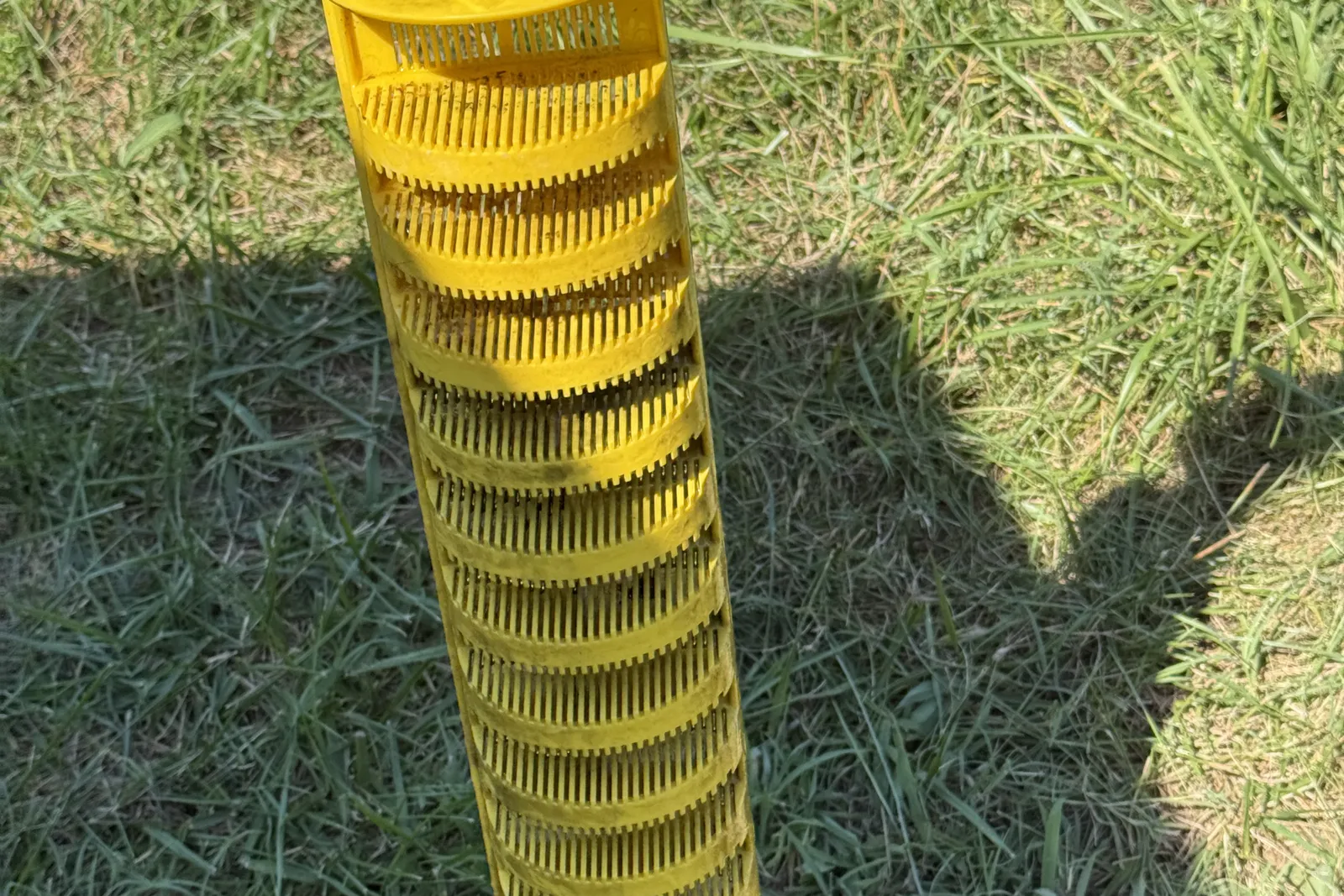
An effluent filter screens solids out of the water leaving your septic tank, so they never reach the drain field. We install filters on existing tanks and clean them on every service visit.
Learn More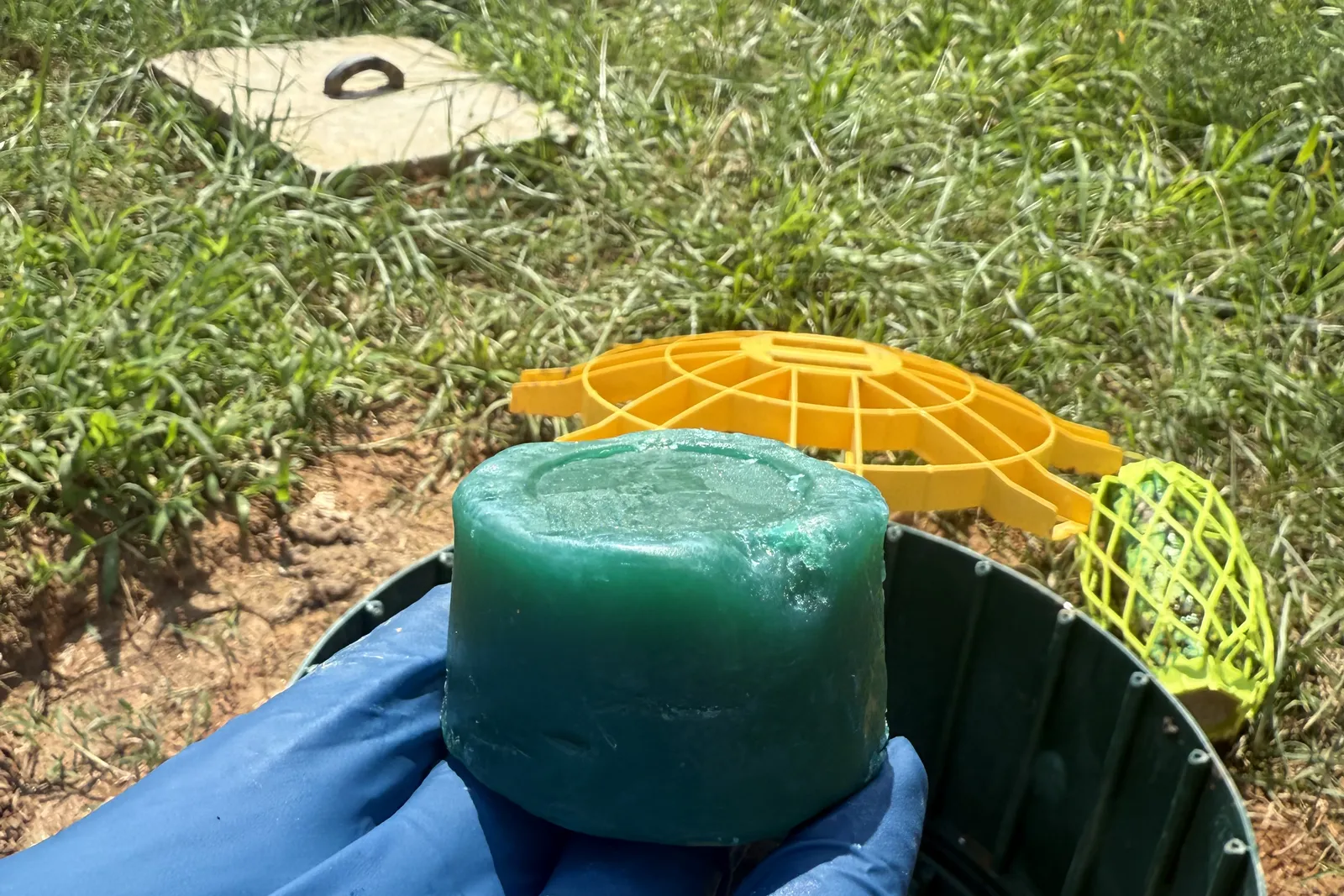
Everclear services septic systems on a set schedule around Statesville and the lakes. Each visit checks the tank and pump, cleans the effluent filter, inspects the drain field and adds bacteria.
Learn More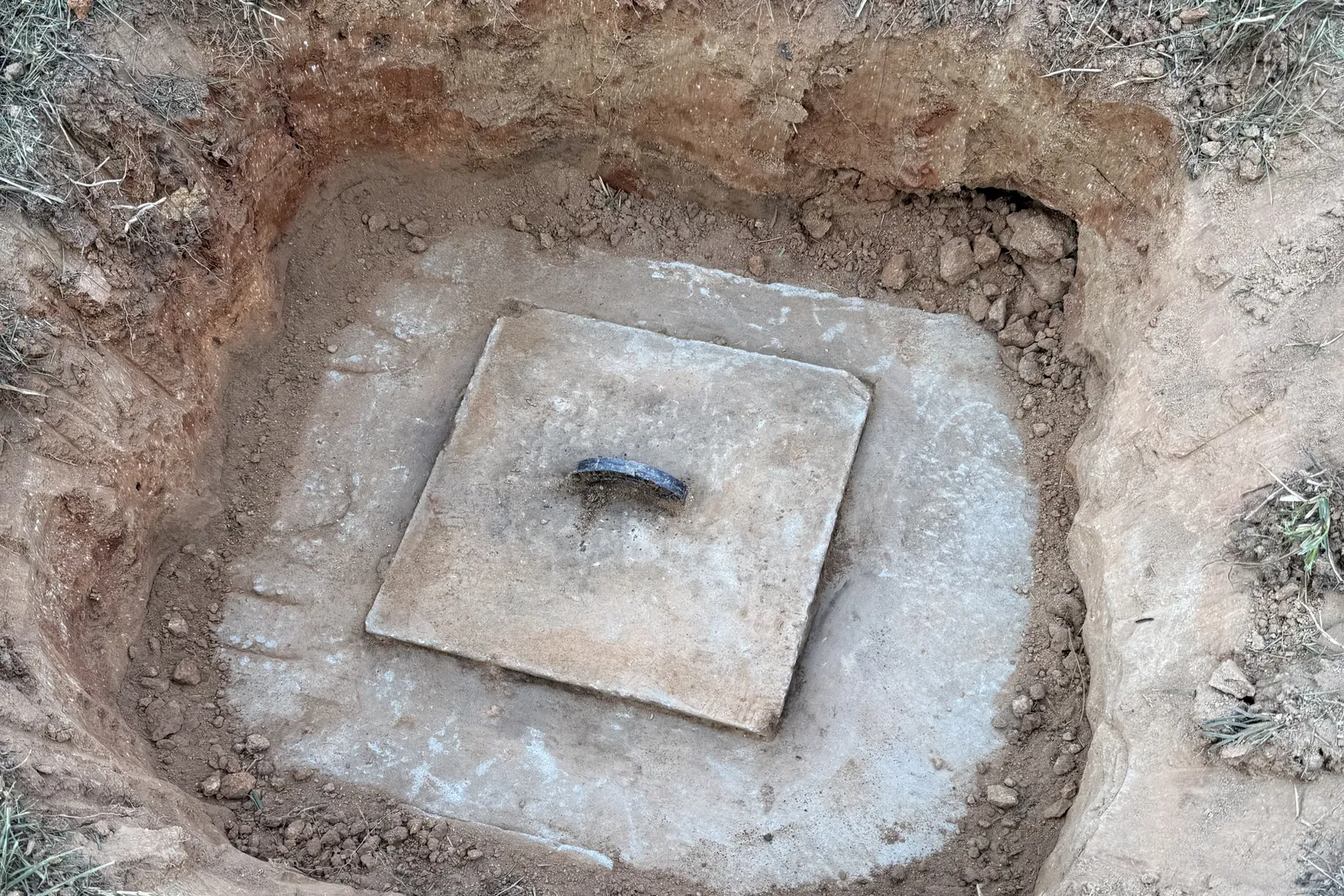
We inspect septic tanks and drain fields to find out why a system backs up, drains slowly or stays wet. The on-site evaluation is free, and you get a plain reading of what we found.
Learn MoreA few of the questions we hear most around Charlotte. If yours is not here, call or text and ask.
Call or text (336) 624-7314, or send the form and we will get back to you. Tell us what the system is doing and we will set up a free evaluation.
Tell us about the job. We will get right back to you.