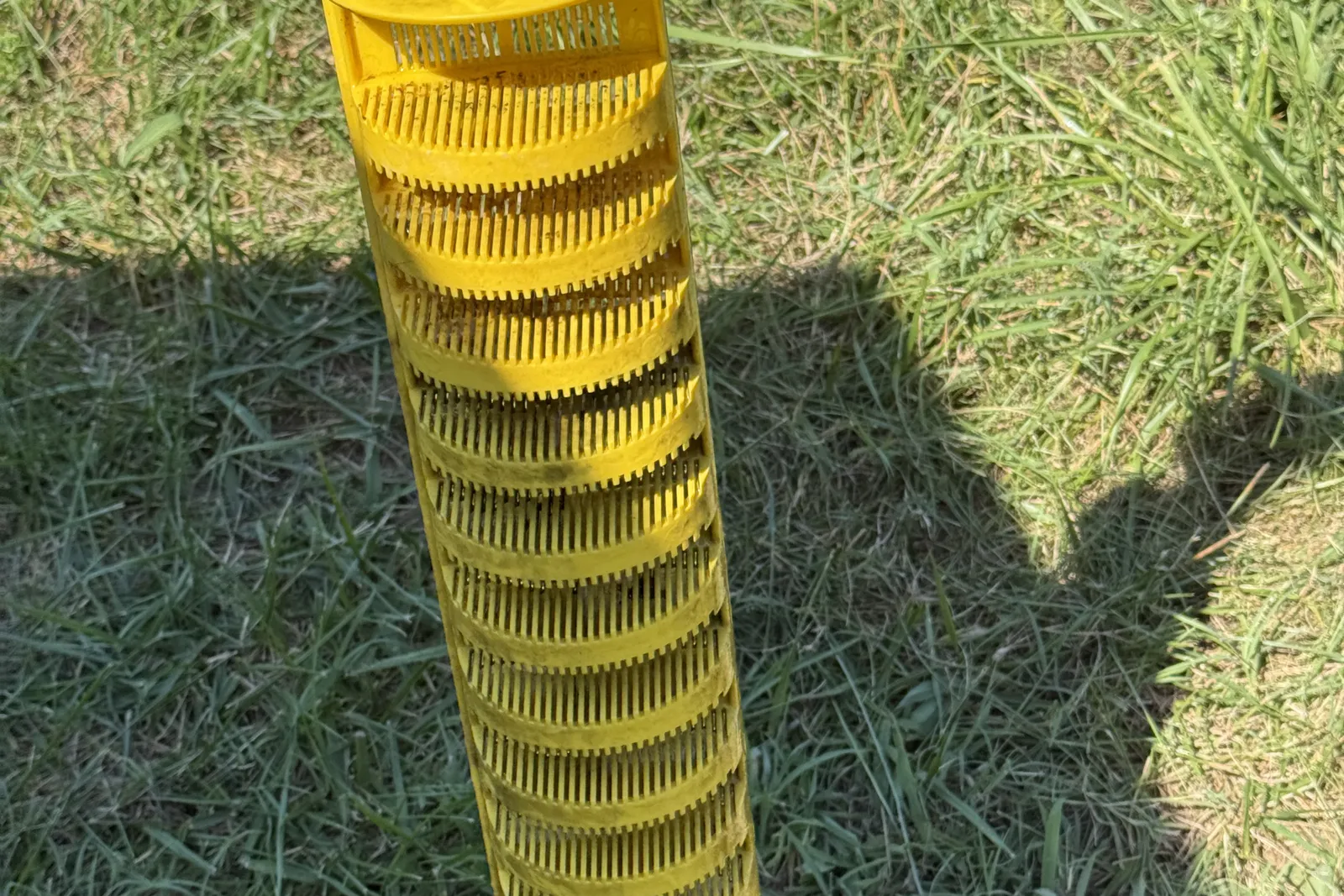
Effluent Filters
An effluent filter screens solids out of the water leaving your septic tank, so they never reach the drain field. We install filters on existing tanks and clean them on every service visit.
Learn More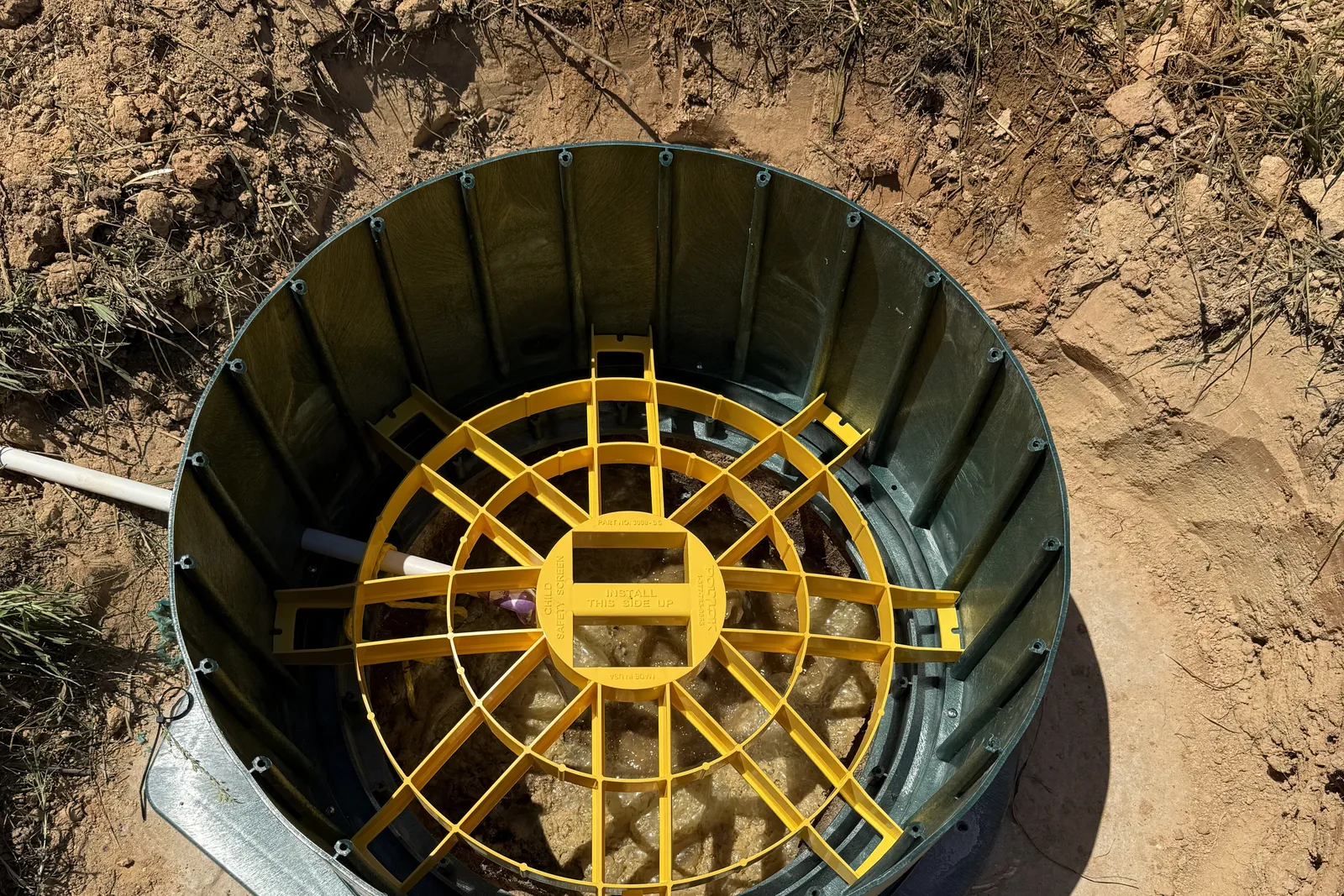
Septic system maintenance is the work that keeps your tank and drain field doing their job. Solids build in the tank, the outlet filter loads up, and the field slowly clogs. Everclear services septic systems around Statesville and the lake towns inside about a 50 mile radius. The plan is built around systems running biological drain field restoration inside the existing tank.
Year one comes with the install: three visits, at about 30 days, 6 months and one year. After that it is two visits a year, then one a year once the system is steady. Every visit checks the in-tank aeration unit and the air pump, then the tank and the field. Call or text (336) 624-7314 for a free on-site evaluation of the tank and the field.
Tell us about the job. We will get right back to you.
The visit starts at the tank. Lids come off at ground level, which is why we put in riser access at grade on buried tanks. We read the water level, then measure how deep the scum and sludge layers have grown.
The effluent filter on the tank outlet comes out next and gets rinsed clean. North Carolina rules say the filter should be rinsed to clear solids, or replaced as needed. A loaded filter shows up inside the house as slow drains and a gurgling toilet.
Next is the unit and the pump. We listen to the air pump, check the diffuser for fine bubbles and test the high-water alarm. Last we check the drain field for wet ground or odor, then add bacteria and close the tank.
Everclear runs three visits in the first year after an install, at about 30 days, 6 months and one year. Those months are when the bacteria colonize the growth media and start working on the biomat in the field. Seeing the system three times in that window shows whether it is heading the right way.
After year one the plan is two visits a year. Once a system is steady it moves to one visit a year with an annual bacteria treatment. How fast it gets there depends on the water the house sends out and how far the field slipped.
The EPA suggests inspecting a conventional tank every three years and pumping it every three to five. North Carolina rules call for pumping when scum and sludge pass one third of the liquid depth. We measure that at each visit. Everclear does not pump tanks, so we point you to a septic pumping company when yours gets there.
What goes down the drain decides how hard the tank has to work. NC State Extension warns against pouring grease or cooking oil down the sink. It hardens in the tank and can clog the soil out in the field. The EPA do-not-flush list covers wipes, paper towels, diapers, coffee grounds, cat litter and dental floss.
Bacteria do the work in your tank, so keep what kills them out of the drain. That means paint thinner, pesticides, antifreeze, large amounts of bleach and old medications. NC State Extension also says a water softener backwash line should not be plumbed into the septic tank. A garbage disposal roughly doubles the solids the tank has to hold.
Water volume matters too. The EPA puts typical indoor use at up to 70 gallons per person each day. Laundry spread across the week is easier on the field. Keep roof drains, gutters and sump pumps aimed away from the drain field, and keep vehicles off it. Most septic trouble builds slowly, and a visit already on the calendar catches it small.
Free, no-obligation estimates across Lake Norman and the Piedmont.
(336) 624-7314From the first call or text to the first follow-up visit, here is how it goes.
Tell us what the system is doing: slow drains, a smell, wet ground or a backup. We set a time to come look.
We open the tank and check levels, scum and sludge, the baffles and the outlet. Then we look at the drain field for wet spots and odor.
We tell you whether biological restoration fits, and whether the tank needs riser access or an effluent filter. If it will not work, we say so and point you to the right contractor.
We call NC 811 to locate utilities before anything is dug. The unit goes in through the tank access opening. The air line is trenched and the pump is set outside.
We come back about 30 days after the install to check the unit and the pump. After that the system stays on a set service schedule.
Common questions about septic maintenance across Lake Norman and the Piedmont. If yours is not here, call or text and ask.
An effluent filter screens solids out of the water leaving your septic tank, so they never reach the drain field. We install filters on existing tanks and clean them on every service visit.
Learn More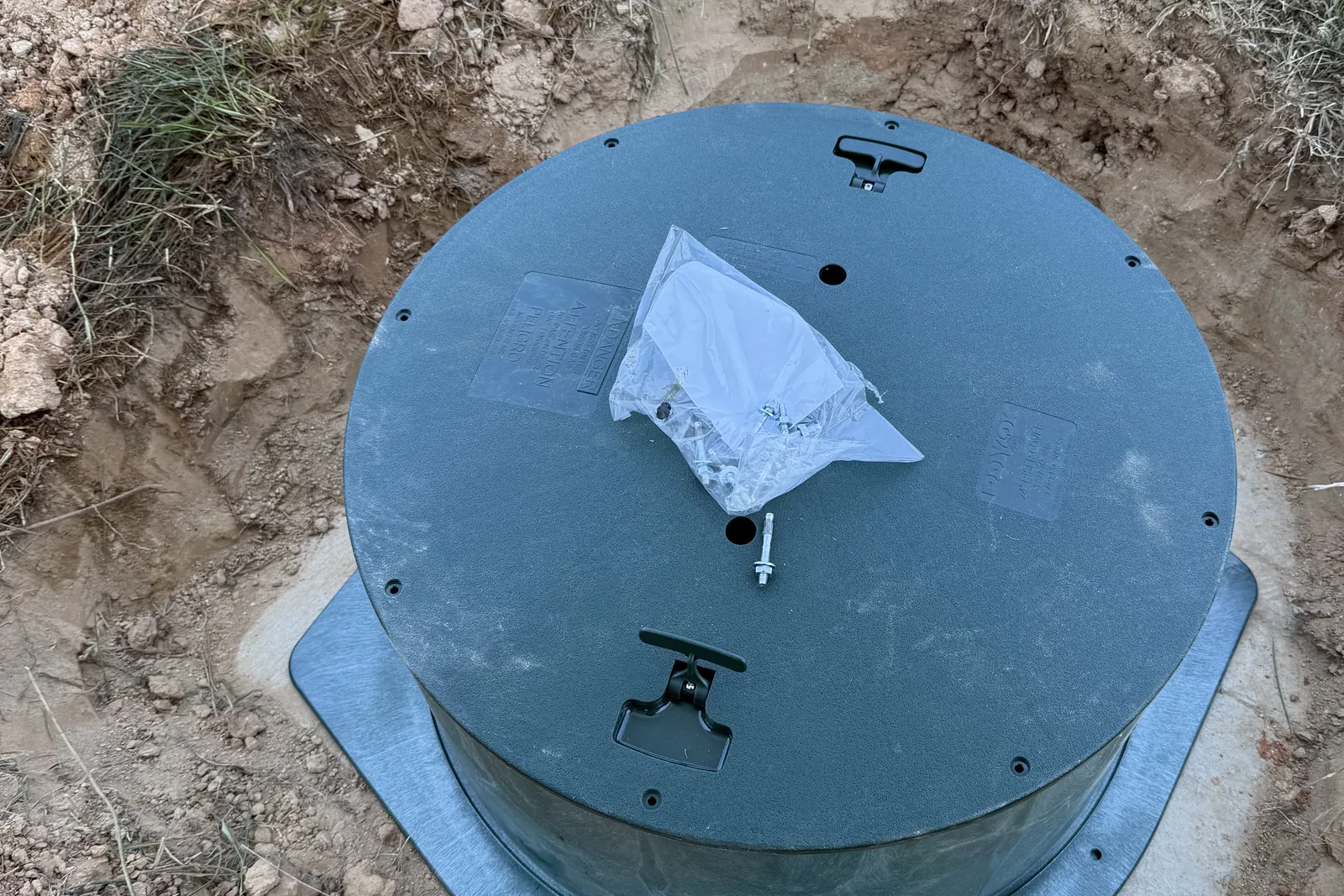
We install septic tank risers that bring the tank access up to ground level. Cracked or buried lids get replaced with a riser lid that fastens down.
Learn More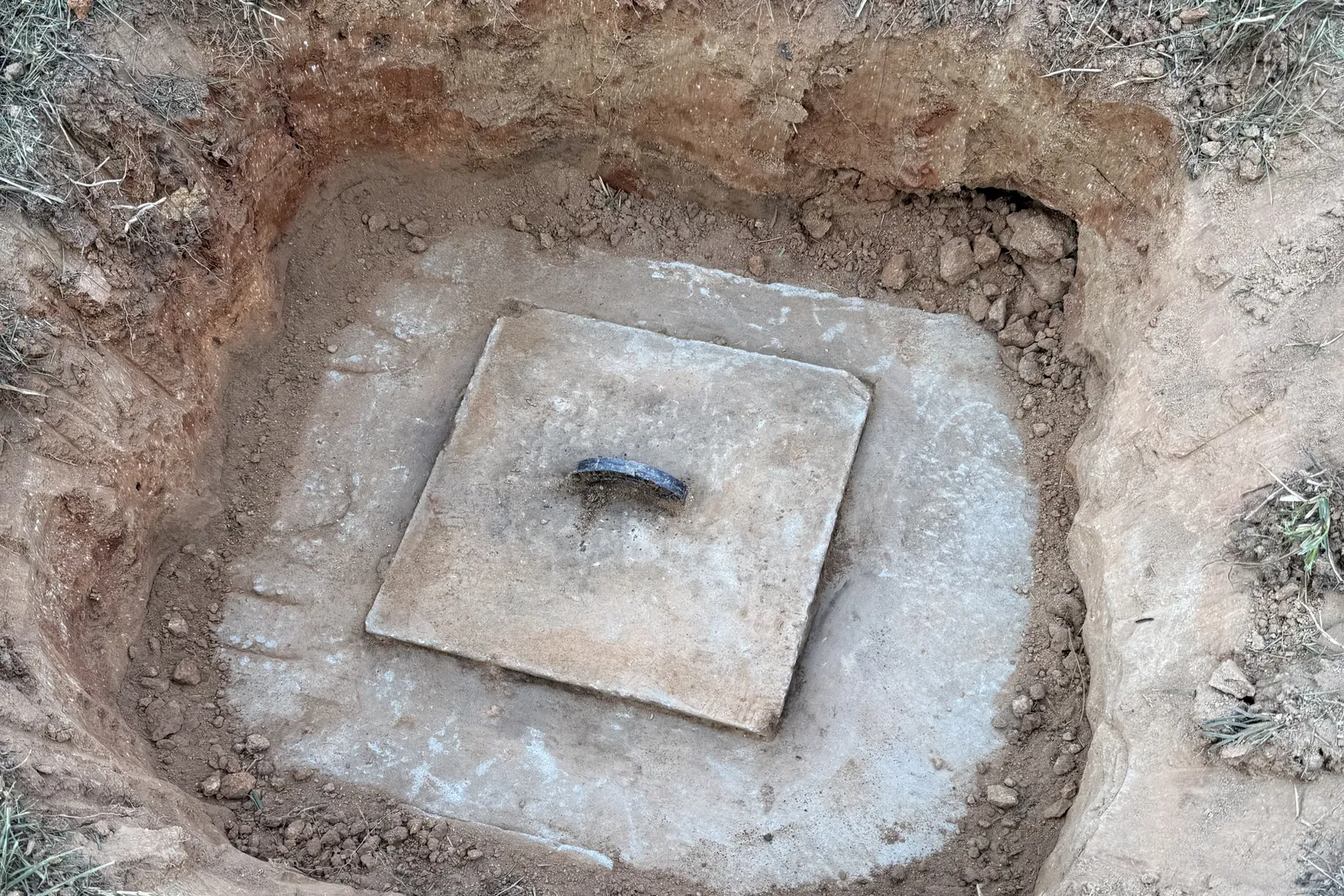
We inspect septic tanks and drain fields to find out why a system backs up, drains slowly or stays wet. The on-site evaluation is free, and you get a plain reading of what we found.
Learn More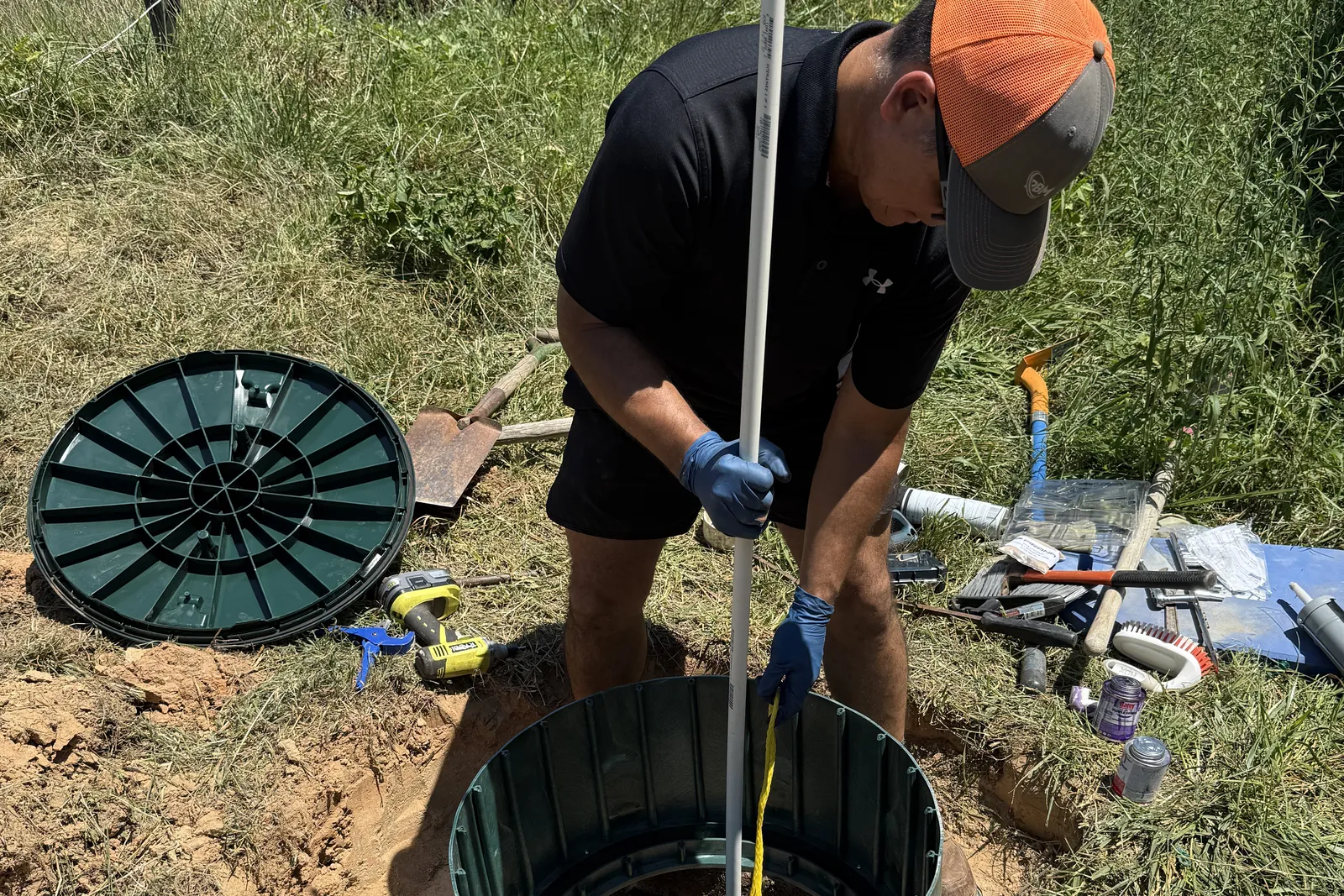
A compact aeration and bacteria unit installs inside your existing septic tank. Air plus living bacteria digest the solids that would otherwise clog your drain field.
Learn MoreThe unit installs inside the tank you already own. There is no new drain field and no system replacement.
The only digging is a shallow air line from the pump to the tank. Your lawn stays intact.
Every install comes with three visits in the first year, at about 30 days, 6 months and 1 year. We check the unit, clean the filter and add bacteria on each one.
Everclear is a North Carolina certified septic installer based in Statesville. We work about 50 miles out, across Lake Norman, High Rock Lake and the Piedmont counties between them.
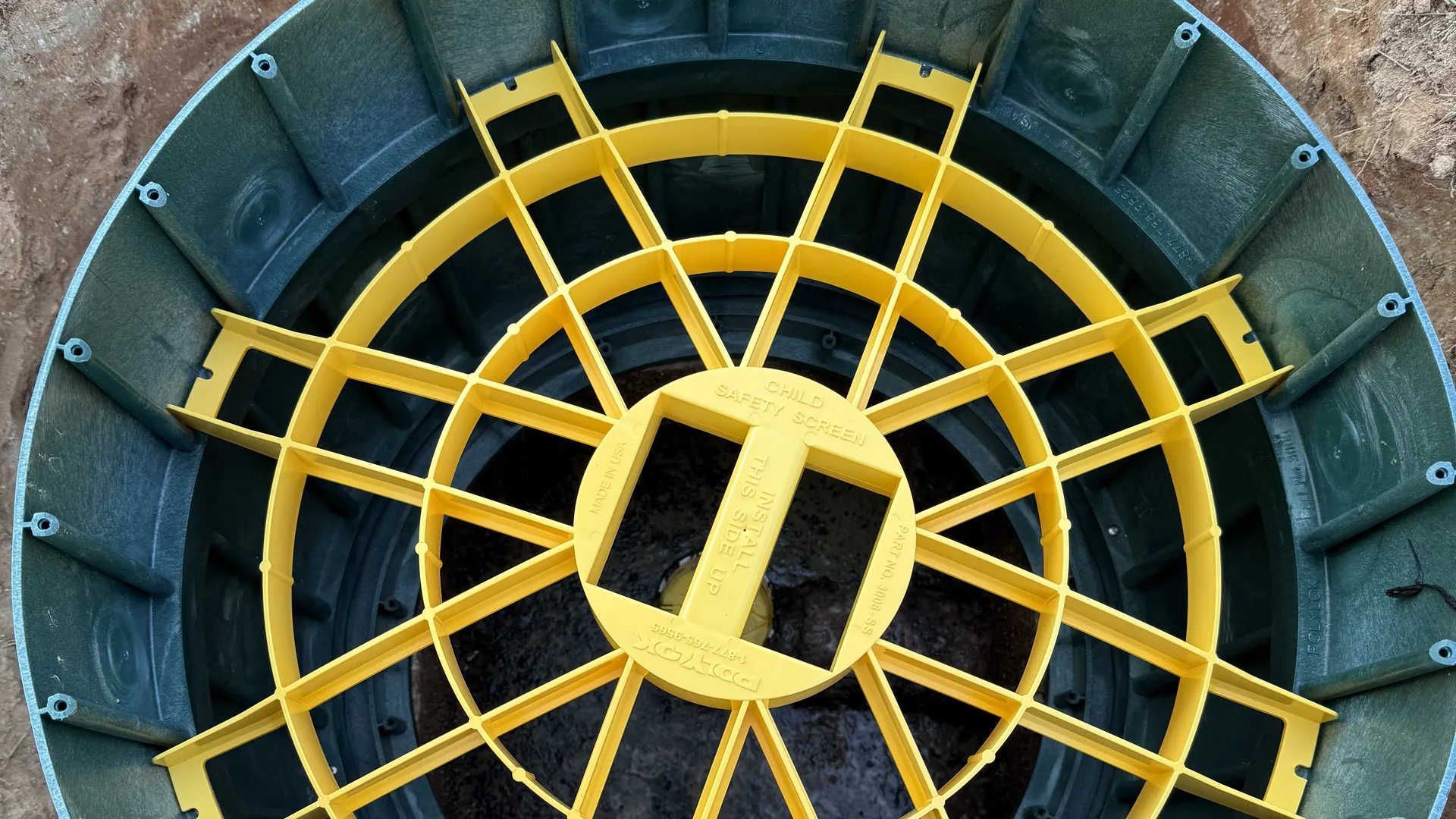
How often a septic tank in North Carolina needs pumping, inspection and service, what the state rule and the EPA say, and what a maintenance plan includes.
Read more →
What a septic inspection costs in North Carolina, what a diagnostic inspection covers, and how it differs from the point-of-sale inspection a home sale needs.
Read more →Call or text (336) 624-7314, or send the form and we will get back to you. Tell us what the system is doing and we will set up a free evaluation.
Tell us about the job. We will get right back to you.