Drain Field Restoration
Everclear restores failing septic drain fields biologically, with a unit that goes inside the tank you already own. The field stays in the ground and most installs are finished in a day.
Learn More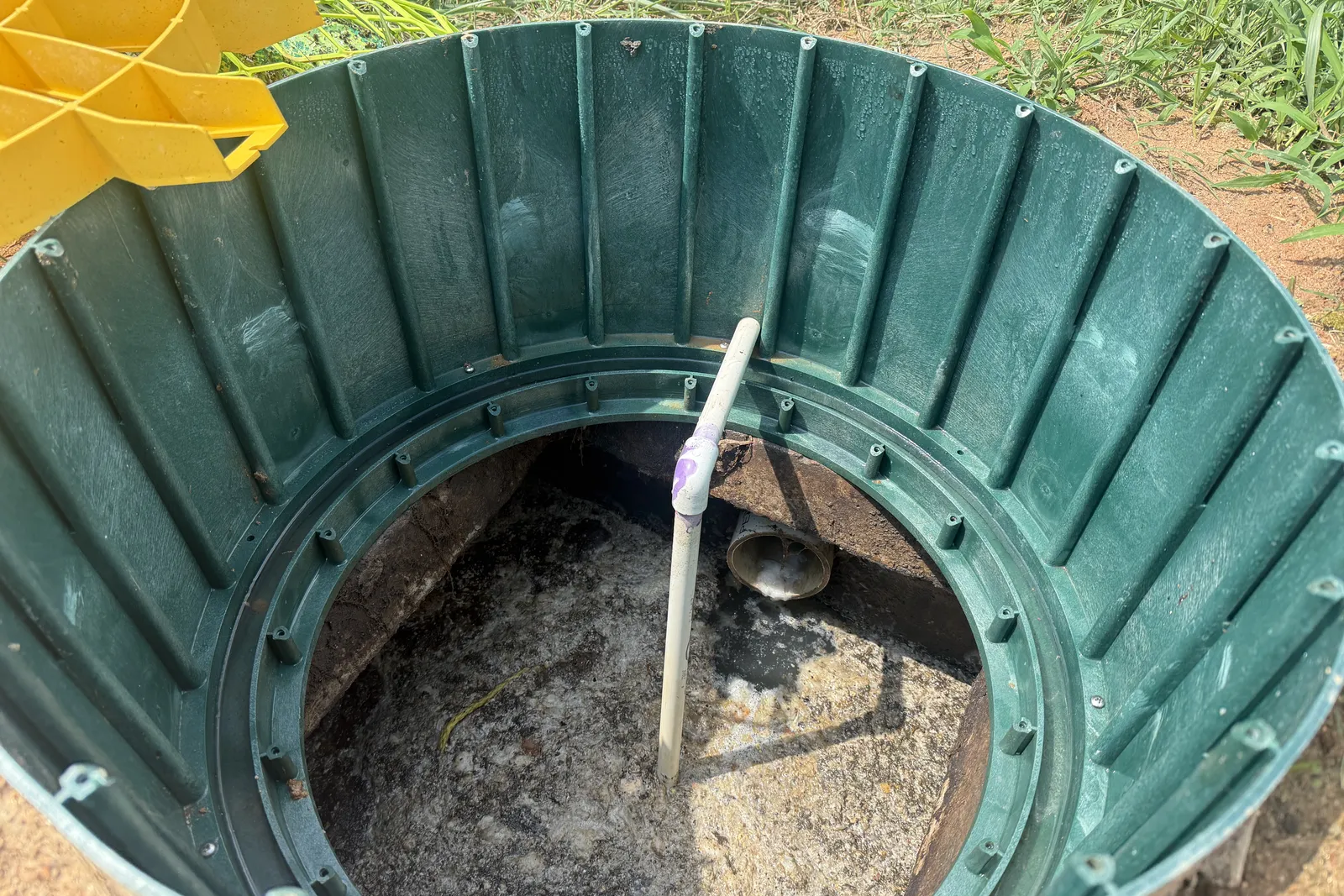
A septic system inspection tells you what is happening under your lawn. Most people call us after something changes at the house. A slow drain, a gurgling toilet, soggy grass over the field, or a smell outside point the same way. Any septic system repair in Statesville we do starts with a look inside the tank.
The on-site evaluation is free. We look at the tank and the field first, then tell you what we found. Sometimes the answer is biological drain field restoration inside the tank you already own. Sometimes the tank needs pumping or a line needs replacing, and we refer that out.
Tell us about the job. We will get right back to you.
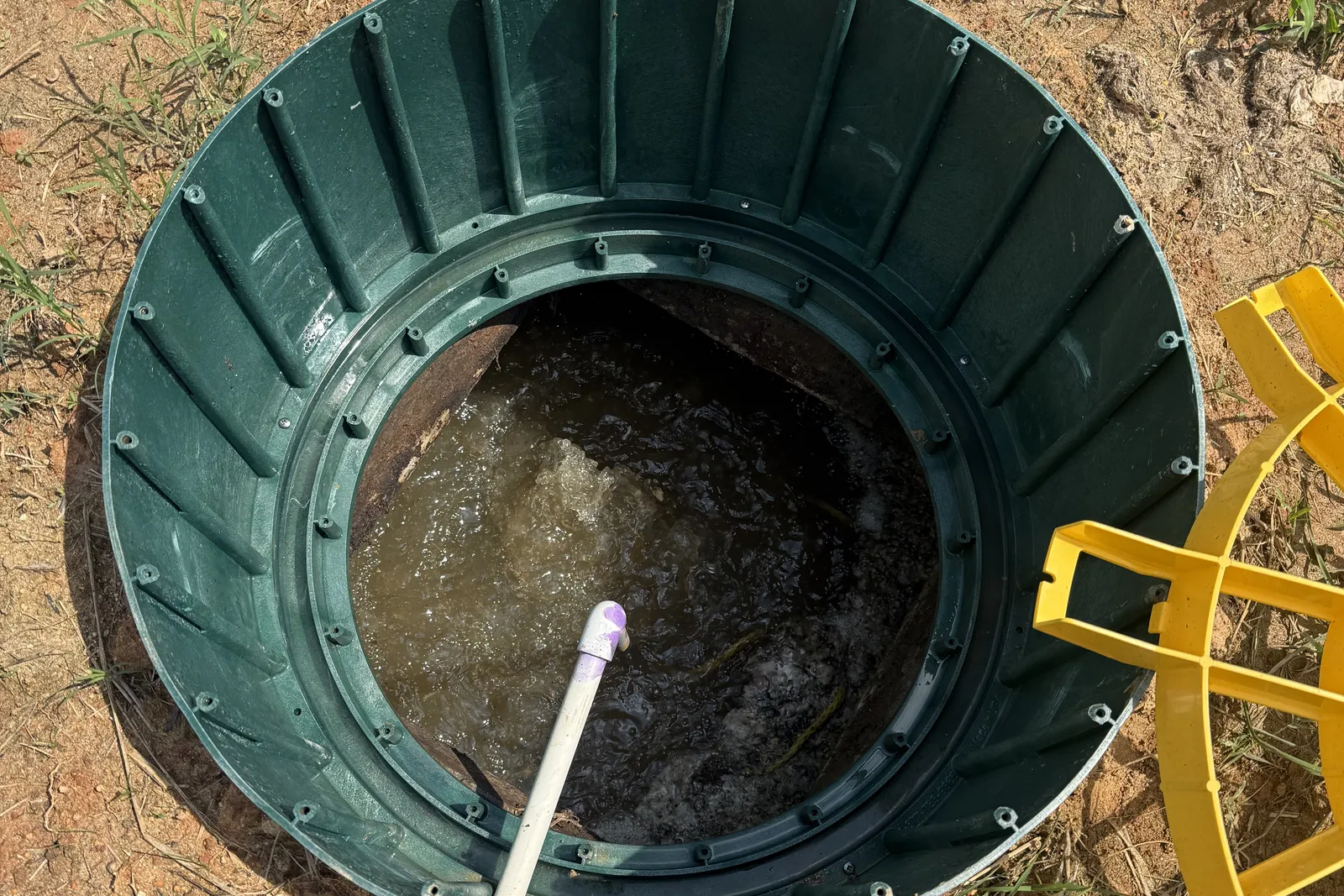
We start at the tank. The lid or riser comes off so we can see the liquid level. A high level means water is not leaving the tank, which points at the field or a blocked outlet.
Then we measure. Scum floats on top and sludge settles on the bottom, and we check the depth of both. We look at the inlet and outlet baffles or tees, which hold solids in the tank where they belong. We also pull the effluent filter on the outlet if the tank has one, and most older tanks do not.
Outside, we check the ground over the drain field. Wet or spongy soil says the field is not taking the effluent. So does greener grass along the trench lines, standing water or odor. We run water inside the house too, so we can see how the system handles it.
Findings only help if someone explains them. Scum and sludge filling more than a third of the liquid depth mean the tank is due to be pumped. The North Carolina septic rules use that same one third measure (15A NCAC 18E). A tank in that shape has been pushing solids toward the drain field for a while.
A clogged filter and a failing field look alike from inside the house. Both give you slow drains, gurgling and a high level in the tank. The filter is the quick one to rule out, since we can pull it and look. If the filter is clean and the tank is still full, the trouble sits further out.
Biomat is the usual reason a field stops taking water. It is a black, slimy layer of organic build-up in the soil around the drain lines. It seals the soil off so effluent has nowhere to go. When the lines themselves are sound, restoration usually fits.
Call when the house tells you something. Drains that empty slowly and a toilet that gurgles when the washer runs are both worth a look. So is a wet spot over the field in a dry week. Backups after heavy rain count too, because saturated clay has nowhere to put the water.
With no symptoms at all, the EPA says a household system should be inspected at least every three years. On our maintenance plan that check happens on every visit. We look at the unit and the air pump, clean the filter, check the tank and go over the field.
We do not do real estate inspections. In North Carolina, that work has to come from a state-certified septic inspector, which is a separate certification. Our inspections are for homeowners who already own the system and want to know its condition.
Free, no-obligation estimates across Lake Norman and the Piedmont.
(336) 624-7314From the first call or text to the first follow-up visit, here is how it goes.
Tell us what the system is doing: slow drains, a smell, wet ground or a backup. We set a time to come look.
We open the tank and check levels, scum and sludge, the baffles and the outlet. Then we look at the drain field for wet spots and odor.
We tell you whether biological restoration fits, and whether the tank needs riser access or an effluent filter. If it will not work, we say so and point you to the right contractor.
We call NC 811 to locate utilities before anything is dug. The unit goes in through the tank access opening. The air line is trenched and the pump is set outside.
We come back about 30 days after the install to check the unit and the pump. After that the system stays on a set service schedule.
Common questions about septic inspections across Lake Norman and the Piedmont. If yours is not here, call or text and ask.
Everclear restores failing septic drain fields biologically, with a unit that goes inside the tank you already own. The field stays in the ground and most installs are finished in a day.
Learn More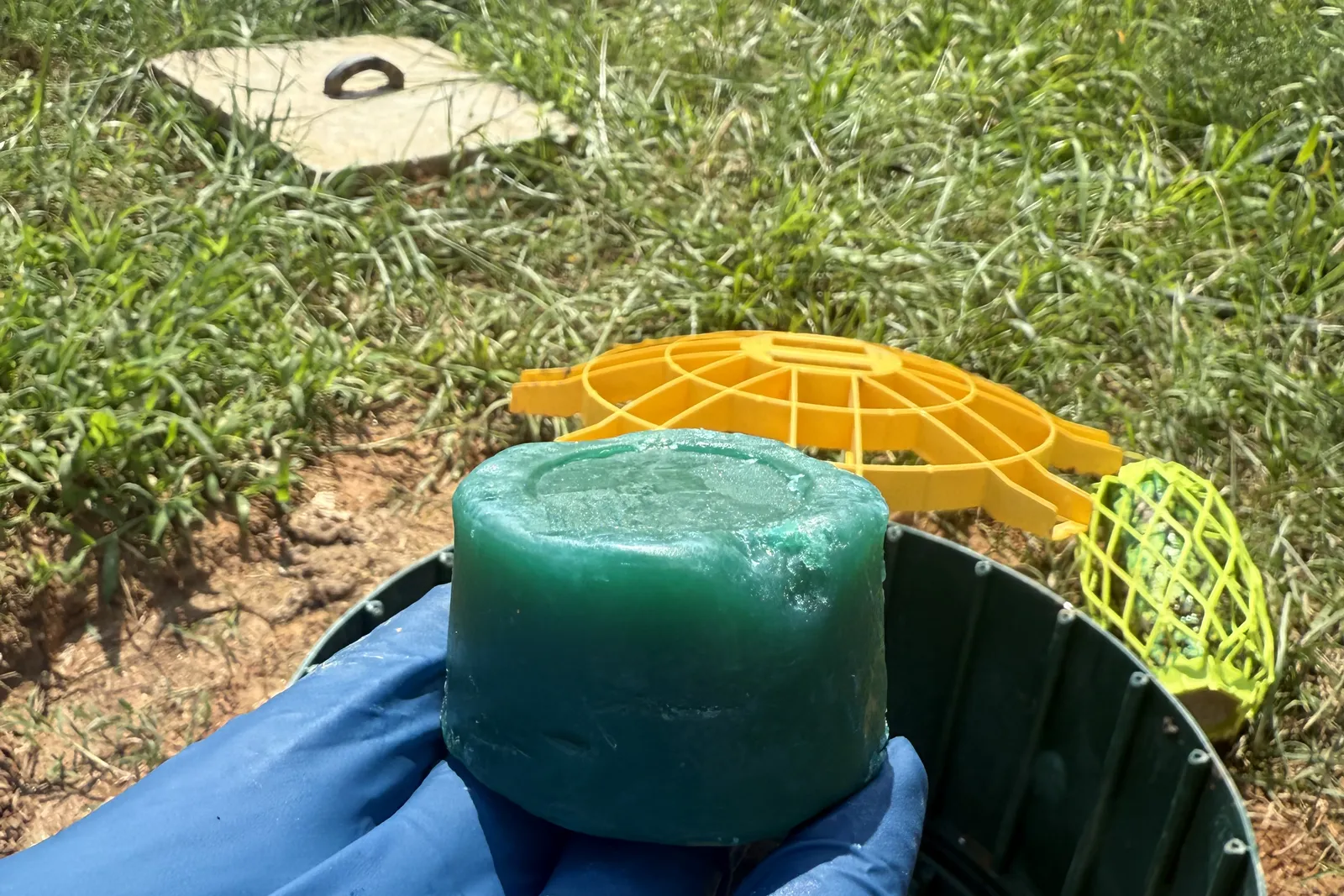
Everclear services septic systems on a set schedule around Statesville and the lakes. Each visit checks the tank and pump, cleans the effluent filter, inspects the drain field and adds bacteria.
Learn More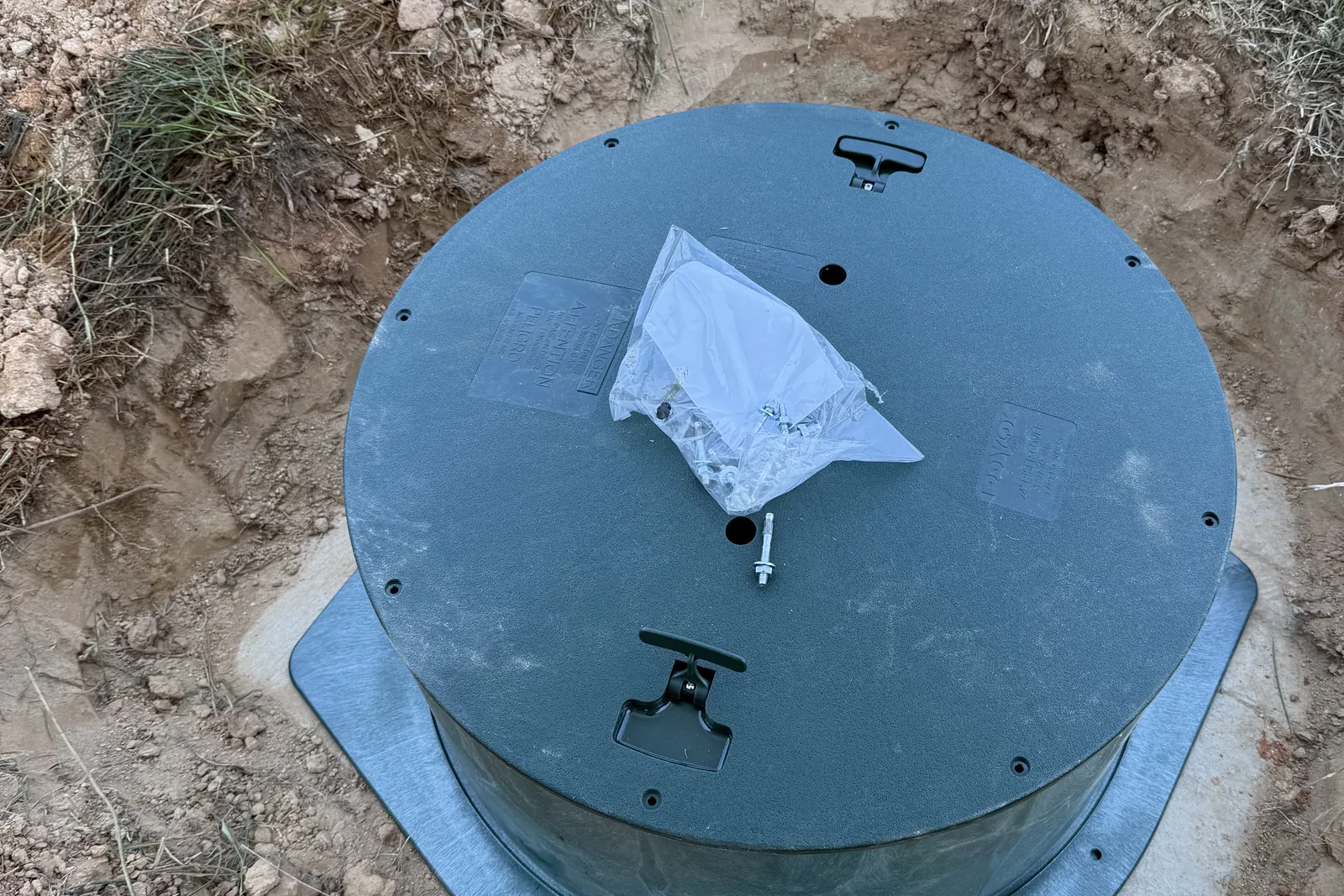
We install septic tank risers that bring the tank access up to ground level. Cracked or buried lids get replaced with a riser lid that fastens down.
Learn MoreThe unit installs inside the tank you already own. There is no new drain field and no system replacement.
The only digging is a shallow air line from the pump to the tank. Your lawn stays intact.
Every install comes with three visits in the first year, at about 30 days, 6 months and 1 year. We check the unit, clean the filter and add bacteria on each one.
Everclear is a North Carolina certified septic installer based in Statesville. We work about 50 miles out, across Lake Norman, High Rock Lake and the Piedmont counties between them.
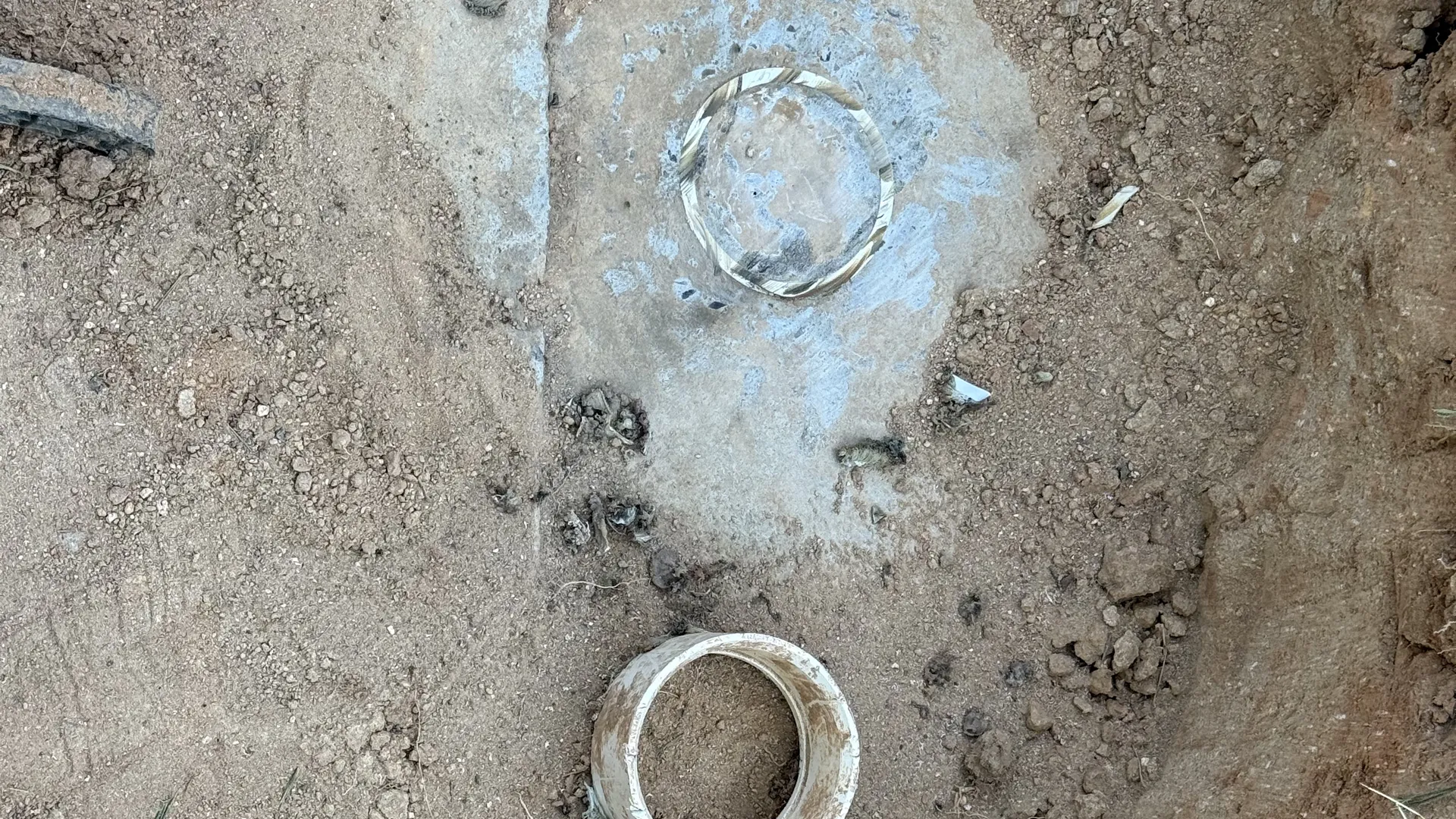
What a septic inspection costs in North Carolina, what a diagnostic inspection covers, and how it differs from the point-of-sale inspection a home sale needs.
Read more →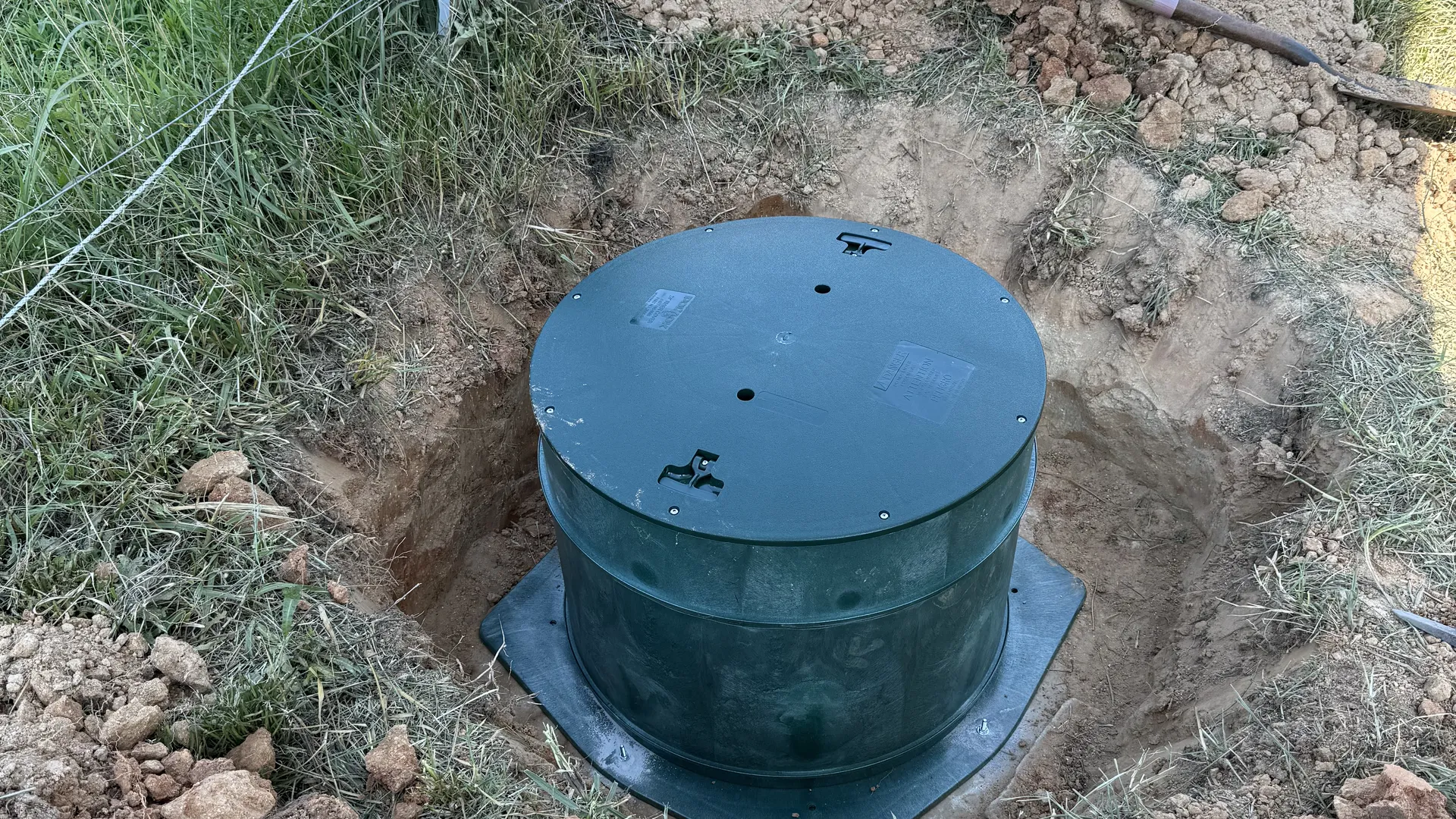
What a septic drain field or full system replacement costs in North Carolina per national guides, what drives the price, and when restoration is cheaper.
Read more →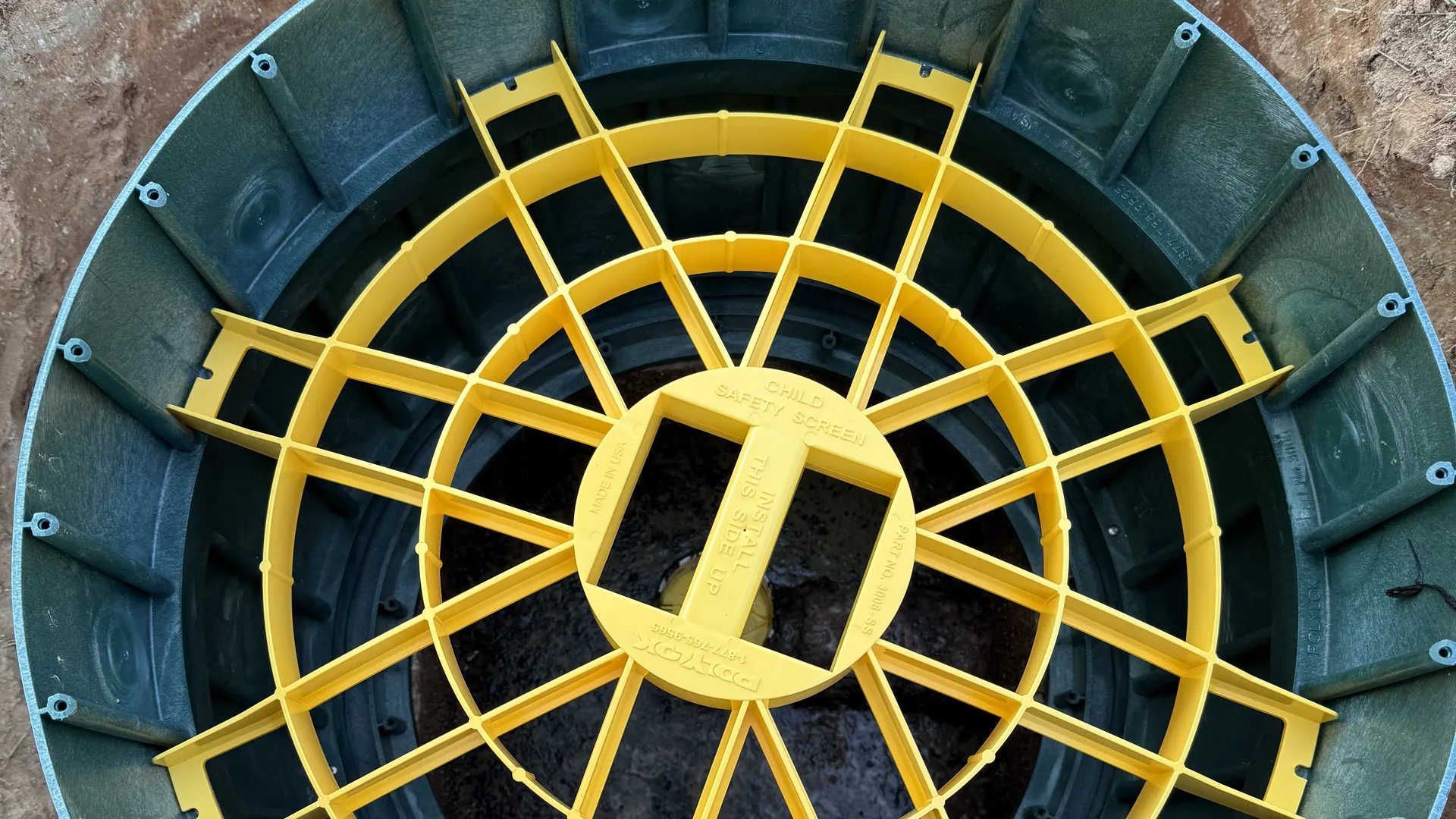
How often a septic tank in North Carolina needs pumping, inspection and service, what the state rule and the EPA say, and what a maintenance plan includes.
Read more →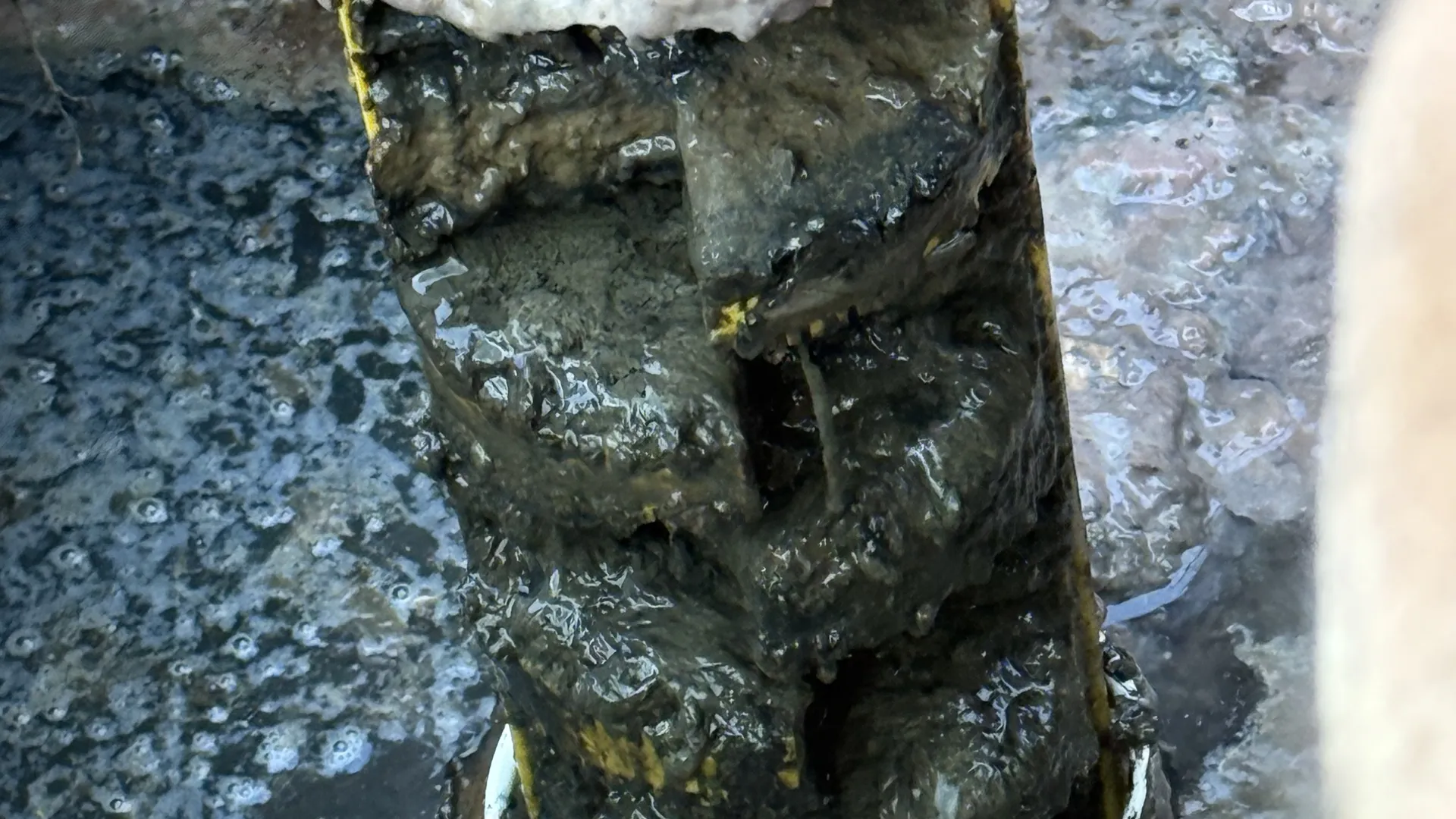
Septic repair cost in North Carolina by problem: filters, lids, pumps, distribution boxes, drain fields and tanks, with guide ranges and what moves the number.
Read more →Call or text (336) 624-7314, or send the form and we will get back to you. Tell us what the system is doing and we will set up a free evaluation.
Tell us about the job. We will get right back to you.